

John Raymond Legrasse
John Raymond Legrasse is the New Orleans police inspector whose account of a 1907 swamp raid supplies the principal cult investigation in The Call of Cthulhu. He brings a seized statuette and recorded ritual language to scholars in search of an origin. His professional inquiry becomes one of the records that later allows Thurston to connect human worship, artistic dreams and the events at R’lyeh.
4 min read · 750 words
A professional investigation
Legrasse approaches the mystery as a police officer seeking information about a group encountered during a violent case. The narrative explicitly separates this motive from a personal enthusiasm for archaeology.
The strange image matters because identifying it might help identify the tradition behind the ceremony. His movement toward scholarly consultation follows the limits of what local inquiry has established.
This gives the story a different kind of witness from Angell or Wilcox. Legrasse has organized a raid, questioned prisoners and retained a physical object; his evidence begins in institutional action rather than private dreams.
The call from the swamps
On November 1, 1907, people living south of New Orleans report disappearances, drumming, cries and lights from an area they fear. Legrasse leads a group of twenty officers toward the disturbance.
The residents guide them only part of the way. The police continue through difficult terrain until they reach a clearing where the ceremony is taking place.
The journey’s local legends and threatening atmosphere frame the encounter, but the officers’ immediate responsibility concerns missing people and violence. The cult’s cosmic claims emerge only afterward.
The ceremony and the raid
The officers find worshippers gathered around a ring of fire and a monolith supporting a small image. The bodies of the missing people are arranged around the site.
After an initial shock, the police intervene. The confrontation produces deaths, injuries, escapes and forty-seven prisoners. Legrasse also takes possession of the statuette.
His report supplies the most concrete organized human manifestation of the cult in the story. It does not by itself verify every claimed supernatural presence around the ceremony.
What the prisoners say
Questioning produces a shared account of older beings, dream communication and the expected return of Cthulhu from R’lyeh. Castro provides the most elaborate version, drawing on travel and supposed contact with distant leaders.
The prisoners also attribute the ritual killings to winged visitors. Their statements therefore combine doctrine, self-exculpation and claims about events the police did not directly witness.
An article can preserve their information while keeping its origin visible. Legrasse’s possession of an image and knowledge of a chant do not make every statement extracted from the prisoners equally confirmed.
The statuette
The image is between seven and eight inches high and depicts a squat, winged, tentacled being. Its workmanship appears accomplished, but its material and style resist familiar classification.
Legrasse consults local authorities before taking it to the national archaeological gathering. The failure of recognized expertise to identify it becomes part of the object’s significance.
Its later comparison with Wilcox’s relief is possible because the officer preserves it. The case therefore contributes a durable artifact as well as a narrated memory.
The St. Louis meeting
In 1908, Legrasse attends the American Archaeological Society’s meeting in St. Louis to seek help. Angell is among the scholars who examine the object and hear the account.
Professor Webb recalls a similar image and ritual formula from Greenland. Comparison of the transcribed sounds provides a striking connection between geographically separate reports.
The meeting does not produce a complete historical identification. Its importance is narrower and more consequential: it preserves a correspondence that Angell can recognize when Wilcox arrives years later.
The later meeting with Thurston
Thurston eventually travels to New Orleans, speaks with Legrasse and other surviving participants, and examines the image himself. The inspector’s testimony confirms the older account in Angell’s papers.
The image has returned to Legrasse after a period on loan to Webb. Castro has died by the time of Thurston’s inquiry, limiting the opportunity to question the principal doctrinal informant again.
The later visit strengthens Thurston’s confidence that a real secret tradition lies behind the records, while still leaving him short of the maritime evidence that completes his interpretation.
The survival of the investigator
Thurston observes that Legrasse and his men have apparently been left alone, even as he begins to suspect that other deaths are connected with knowledge of the cult.
This detail limits an overly simple conspiracy model. The story does not claim that every witness to a rite inevitably receives the same punishment or that the cult has eliminated the police account.
Legrasse’s lasting role is that of a surviving source whose evidence can still be consulted. His incomplete but stable record makes the later, more alarming synthesis possible.
Related music
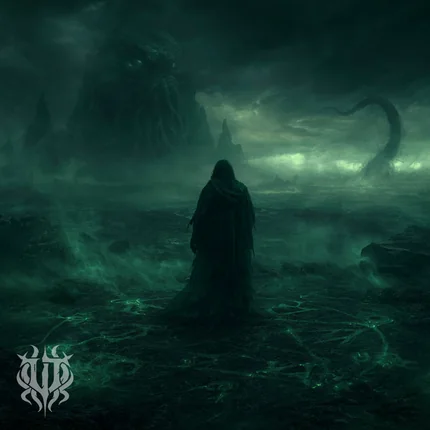
The Dead But Dreaming is a dark folk metal song inspired by The Call of Cthulhu, evoking R’lyeh, forbidden worship and the ancient dream beneath the sea.
References
- The Call of Cthulhu — Unspeakable Tales ebook
The fictional narrative is evidence for what the story says, not proof of events in the real world.
At a glance
John Raymond Legrasse
Inspector of police, New Orleans
November 1, 1907
St. Louis, 1908
Seized stone image; ritual transcription; prisoner testimony
Castro
Alive and interviewed by Thurston in the original story