

Cthulhu (2007)
Cthulhu relocates The Shadow over Innsmouth to the Pacific Northwest and centers a gay man’s return to the family and community he left behind. Its title invokes Lovecraft’s wider mythology, but its dramatic structure concerns inheritance, reproductive coercion and the conflict between chosen attachment and family demands.
4 min read · 823 words
Credits and the two release years
Dan Gildark directed the screenplay associated with Grant Cogswell and Gildark. Jason Cottle plays Russ, a history professor; Scott Green plays Mike, Dennis Kleinsmith plays Reverend Marsh, Cara Buono plays Dannie and Tori Spelling plays Susan.
The film premiered at the Seattle International Film Festival on 14 June 2007. A contemporary festival notice identifies the Neptune Theater screening. Its limited United States theatrical release followed on 22 August 2008. The later release explains the 2008 dates attached to many reviews without requiring a separate film.
Sources: Cthulhu (2007) — credits, synopsis and release history, The Stranger — SIFF 2007 Thursday highlights
A homecoming becomes an initiation
Russ returns after his mother's death and renews his connection with Mike. His father leads a cult whose plans extend beyond ordinary family reconciliation. Disappearances, an inscribed sacrificial implement and a journey below the town reveal the scope of the threat.
The final confrontation places Mike at the center of a demanded sacrifice. Russ moves to strike, but the film withholds the decisive target. The ending should remain unresolved: declaring that he certainly kills either his lover or his father supplies an action the account does not show.
Sources: Cthulhu (2007) — credits, synopsis and release history, Bobby Derie — Cthulhu (2007), Deep Cuts in a Lovecraftian Vein
Gildark on the personal and political premise
In his 2021 Moviejawn interview, Gildark connected the project with people who had left small towns to find community in urban gay and artistic circles. Returning to a family after years away provided a recognizable human situation through which the inherited-horror premise could operate.
He also recalled the Bush presidency and a sense of remote powers shaping ordinary lives.
Gildark wanted Russ to be a person whose sexuality mattered without exhausting his character. The conflict is not simply a revelation that Russ is gay. He already knows that about himself; what he does not understand is the full nature of his family's expectations.
Sources: Gary M. Kramer — Dan Gildark interview, Moviejawn (2021)
Coastal space and restricted perception
Gildark described seeking locations along the Oregon and Washington coasts that could convey loneliness and abandonment. He discussed the underground passage in terms of darkness, brief flashes and the viewer's visual response, with sound contributing to what cannot be continuously seen.
The comments distinguish a deliberate use of limited visibility from a claim that every obscured object has an identifiable place in the Mythos. The film's setting can suggest an older presence without supplying a complete geographical survey of it.
Sources: Gary M. Kramer — Dan Gildark interview, Moviejawn (2021)
What changes from The Shadow over Innsmouth
Lovecraft's visitor reaches Innsmouth as part of a journey through New England. The town first appears as an external object of curiosity and unease. Local testimony, particularly Zadok Allen's account, then gives its commercial and religious changes a history. An attack during the night turns investigation into flight.
The narrator's family connection emerges later. Documents and memories alter the meaning of what he had experienced as an outsider. His eventual desire to descend into the sea is not merely a geographical decision: it completes a change in how he understands the people he initially feared and the future of his own body.
Cthulhu places family recognition near the beginning by making its protagonist a returning son. That choice transforms the direction of discovery. He knows who his relatives are but does not know what belonging to them will demand. The familiar household conceals a different kind of ignorance from the tourist's initial encounter with an unfamiliar town.
The source also gives no comparable romantic relationship through which the narrator must choose between family and a lover. Mike's position therefore changes the stakes of the inherited identity plot. This is an adaptation choice, not a suppressed episode in Lovecraft's story.
Sources: The Shadow over Innsmouth — Unspeakable Tales ebook, Cthulhu (2007) — credits, synopsis and release history
Critical disagreement and the unresolved choice
Bobby Derie's essay argues that the film's queer perspective is central to its generational conflict. He distinguishes a protagonist who knows his sexuality from one who discovers an unwelcome ancestry, and reads the last threatened blow as a choice the film deliberately leaves uncompleted. This is a critical account of the ending, not confirmation of an unseen sequel.
Contemporary reception was not uniformly supportive. Paul Constant's Stranger review strongly criticized the pacing, dialogue and performances while allowing merit to Sean Kirby's cinematography. His response is useful evidence of disagreement, rather than an objective measurement of the film's worth.
Together, these readings show why reception and interpretation require attribution. A film may invite sustained discussion of identity while still dividing viewers over how effectively its dramatic and visual choices work.
Sources: Bobby Derie — Cthulhu (2007), Deep Cuts in a Lovecraftian Vein, Paul Constant — Cthulhu, The Stranger (2008)
Why the title is not a synopsis
The Call of Cthulhu organizes a different investigation around inherited papers, a cult and a maritime encounter with R'lyeh. Its sequence is not the principal plot adapted here. Identifying Gildark's film solely by the name of the deity would conceal its more immediate relationship to Innsmouth.
The source-story entry, the Innsmouth article and the Deep Ones provide the most useful connections. Gordon's Dagon offers a separate adaptation of the same novella, allowing comparison between a pursued visitor and a returning family member without combining their invented screen communities into one canonical town.
Sources: The Call of Cthulhu — Unspeakable Tales ebook, The Shadow over Innsmouth — Unspeakable Tales ebook
Related music
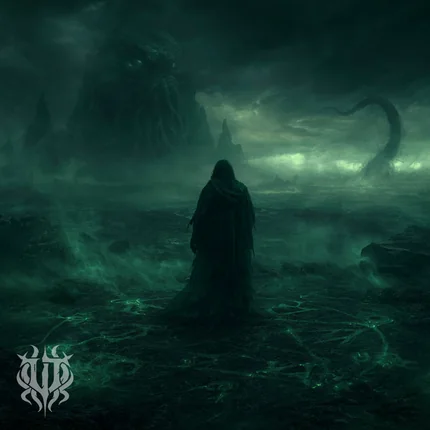
The Dead But Dreaming is a dark folk metal song inspired by The Call of Cthulhu, evoking R’lyeh, forbidden worship and the ancient dream beneath the sea.
References
- Cthulhu (2007) — credits, synopsis and release history
- The Stranger — SIFF 2007 Thursday highlights
- Bobby Derie — Cthulhu (2007), Deep Cuts in a Lovecraftian Vein
- Gary M. Kramer — Dan Gildark interview, Moviejawn (2021)
- The Shadow over Innsmouth — Unspeakable Tales ebook
The fictional narrative is evidence for what the story says, not proof of events in the real world.
- Paul Constant — Cthulhu, The Stranger (2008)
- The Call of Cthulhu — Unspeakable Tales ebook
The fictional narrative is evidence for what the story says, not proof of events in the real world.
- Cthulhu — IMDb
External identification link; ratings and streaming availability are not fixed in this edition.
At a glance
2007
Dan Gildark
Jason Cottle; Scott Patrick Green; Cara Buono; Tori Spelling
The Shadow over Innsmouth
Loose relocated adaptation
Seattle premiere in 2007; United States theatrical release in 2008.
tt0478126
Grant Cogswell and Dan Gildark
Seattle International Film Festival, 14 June 2007
22 August 2008
The Shadow over Innsmouth