

Great Ones
The Great Ones are the gods of earth’s Dreamlands, associated with Kadath and the mountains where they once lived. Lovecraft presents them as limited, secretive and emotionally susceptible beings whose safety depends on far more dangerous protectors. Carter’s quest turns on their desire for a beautiful city he has unknowingly made from his own memories.
4 min read · 796 words
Names and the limits of a hierarchy
The Other Gods usually calls them the gods of earth. The Dream-Quest frequently uses Great Ones and also employs other descriptive terms in dialogue. These usages should be read within their particular passages rather than forced into an inflexible classification shared by every later Mythos author.
Atal tells Carter that their domain is Earth’s dreamland and that they possess no power or habitation elsewhere. They may sometimes be outwitted or surpassed by a capable mortal. Their relative weakness is a central reason the Other Gods’ protection matters.
They are not simply another spelling for the Great Old Ones associated with Cthulhu. Similar-sounding group names do not establish identical membership or function.
Retreat, secrecy and remembered mountains
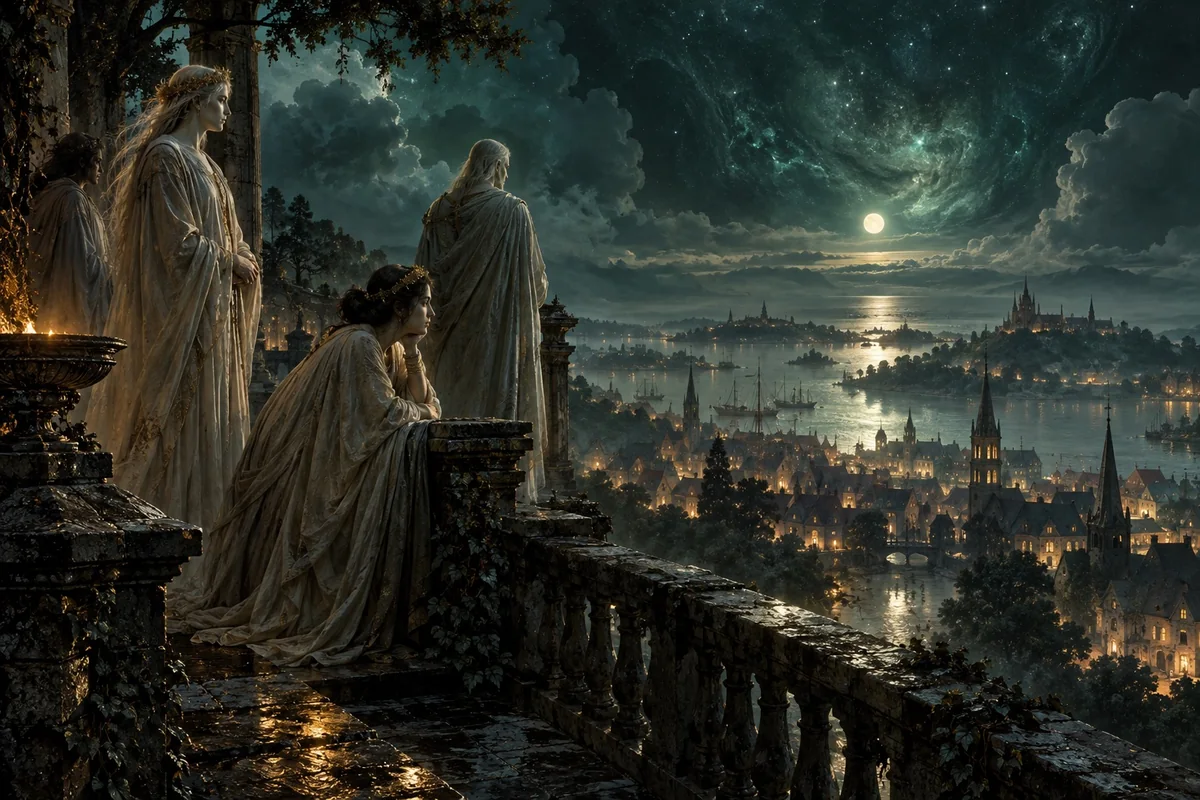
The early story explains that human climbers drove the gods from lower mountains until they took refuge on unknown Kadath. With nowhere higher to go, they became less tolerant of people seeking them.
They nevertheless miss their earlier homes and revisit them in clouds to dance under the moon. Rain and wind are imaginatively associated with their tears and sighs. Their behavior is personal and nostalgic rather than the expression of abstract omnipotence.
Barzai’s attempt to see them at Hatheg-Kla reveals that such vulnerability does not make intrusion safe. The powers guarding them intervene where the gods’ own apparent fear might tempt a scholar to feel superior.
Sources: [1]
The carved likeness and human descendants
Atal tells Carter about a face carved on Ngranek that supposedly preserves the gods’ own features. Carter reaches it and recognizes the elongated eyes, ears, nose and chin he has seen among sailors from Inganok.
The Dream-Quest says that younger gods sometimes live disguised among humans and marry human women. Carter reasons that their descendants will be concentrated near the gods’ home and may preserve useful memories or songs.
This is the basis of his search through Celephaïs and Inganok. It does not give him a complete family tree, and the sailors do not all openly announce themselves as divine children. Their ancestry is inferred through the narrative’s stated lore and physical resemblance.
Sources: [2]
Worship and restricted access
Ulthar and Celephaïs preserve prayers and traditions concerning the Great Ones. The latter city chiefly honors Nath-Horthath while mentioning the wider group in daily prayers. Priests emphasize tactful worship rather than physical intrusion into the gods’ presence.
Carter finds this advice unsatisfying because his request concerns a particular lost city. Atal and the high-priest nevertheless make clear that the gods’ moods are uncertain and their guardians difficult to negotiate with.
The distinction between prayer and forced access is important. Carter does not begin by denying divinity; he tries to transform a petitioner’s wish into a journey that removes the distance religious practice ordinarily respects.
Sources: [2]
The protection of the Other Gods
The Other Gods guard their weaker counterparts and are associated with powers outside familiar earthly dreaming. Nyarlathotep acts as their soul and messenger in The Dream-Quest.
Carter hopes his alliance with ghouls and night-gaunts may give him leverage. That hope fails when the entire company is carried involuntarily into Kadath’s castle and his companions disappear. Independent loyalties do not protect the expedition against superior force.
The relationship is therefore one of protection backed by domination. The Great Ones’ apparent royal dignity depends on beings whose nature and power greatly exceed their own.
The stolen sunset city
Nyarlathotep tells Carter that the gods admired his privately fashioned sunset city so much that they left Kadath to live there. They prevented his return to the vision because they wanted its beauty for themselves.
Their conduct repeats a theme already visible in the visits to their former mountains: they are moved by places and remembered pleasure. Yet their enjoyment comes at another dreamer’s expense, turning nostalgia into possessiveness.
The later narration confirms that Nyarlathotep can bring them back himself. His claim that Carter alone must do so serves the trap he prepares, and should not be retained as a reliable limit on his power.
Sources: [2]
Return and literary role
At the close, Nyarlathotep has restored the gods to Kadath and mocks them there. Carter’s recovery of his own remembered world has frustrated the messenger’s immediate plan, but does not erase the hierarchy of power in the dream realm.
The Great Ones provide a revealing contrast with the formless powers outside. They have recognizable wishes, homes and embarrassments, making them understandable enough to approach in imagination. Their protectors make that apparent familiarity dangerous.
Their stories also resist a simple division into benevolent humanlike gods and hostile cosmic gods. The sheltered divinities can be selfish, while Carter’s effective assistance comes from beings such as ghouls whose appearances initially suggest horror.
Related music
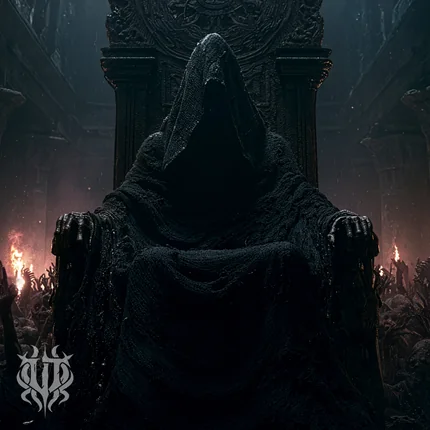
A Thousand Masks is a dark metal song inspired by Nyarlathotep, the Crawling Chaos who walks among humanity, hiding behind countless faces and whispered lies.
References
- The Other Gods — Unspeakable Tales ebook
The fictional narrative is evidence for what the story says, not proof of events in the real world.
- The Dream-Quest of Unknown Kadath — original text
The fictional narrative is evidence for what the story says, not proof of events in the real world.
At a glance
The Other Gods; The Dream-Quest of Unknown Kadath
Earth’s dreamland
Kadath
Other Gods
Nyarlathotep
Carved face on Ngranek